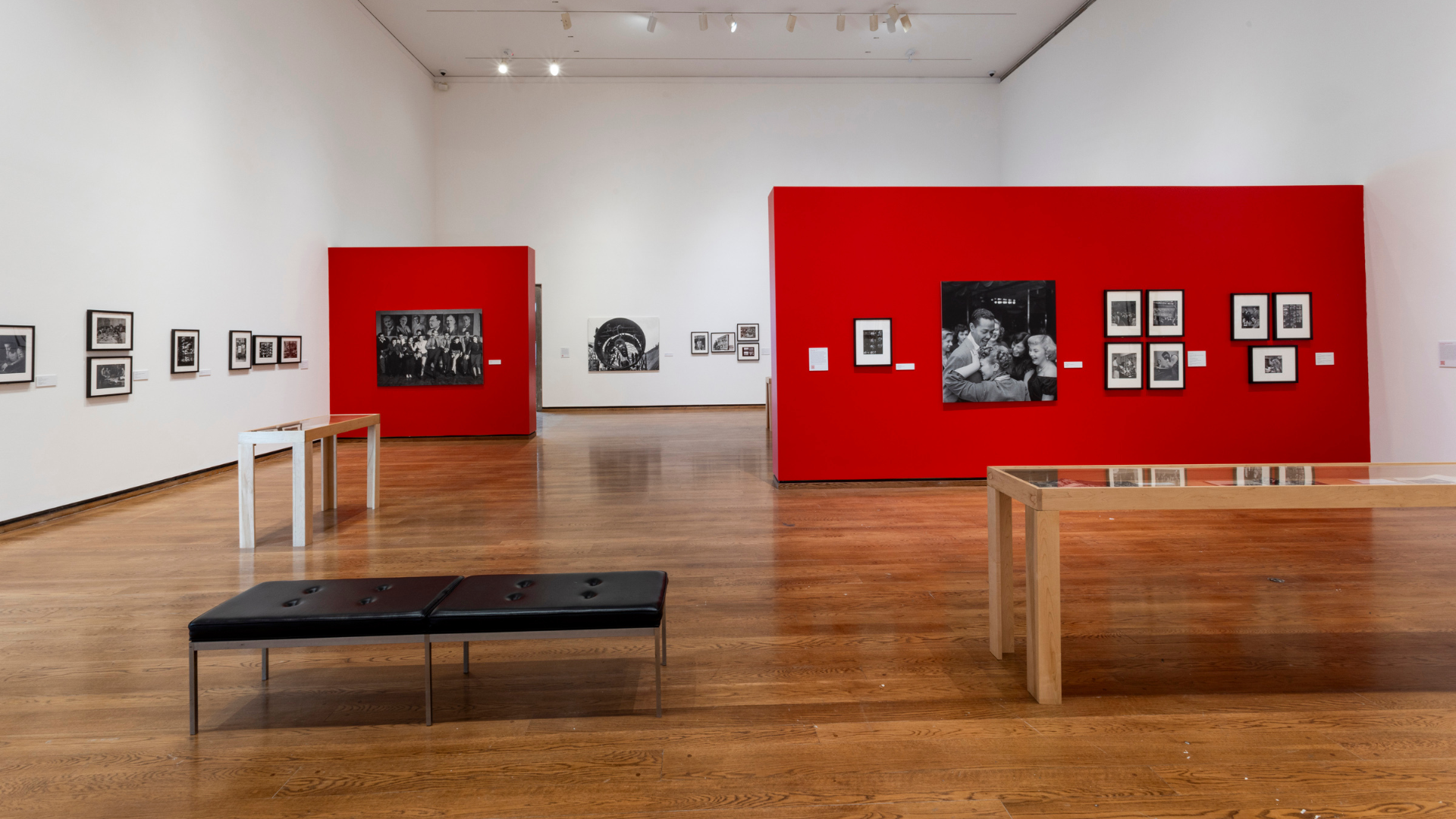


The Annual Charles D. Edelman & Ilene C. Siegler Exhibition.
LIFE founder and editor-in-chief, Henry R. Luce, was convinced that American political, economic, and cultural power would, and should, dominate the era he defined as the “American Century.” Photojournalism, or “photo essays” as he coined them, could effectively shape an authentically American vision of the United States as an international power, inspiring its people, in Luce’s words, “to live and work and fight with vigor and enthusiasm.” By giving readers vivid images of industrial strength, women and the family, race relations, World War II, labor, and the Cold War, the photographers in this exhibition contributed to this view of the United States as a global player seeking its identity on the world stage.
Six pioneering female photographers were among those who contributed to LIFE’s pursuit of this American character: Margaret Bourke-White, Marie Hansen, Martha Holmes, Lisa Larsen, Nina Leen, and Hansel Mieth. These photographers were among the few women who were retained as full-time staff or on a semi-permanent basis rather than as freelancers. Their cameras captured events both international and domestic, wide-ranging and intimate, serious and playful. Central to LIFE’s reportage was the sometimes contentious relationship between photographers and editors, with each holding a stake in the ideology and content of the final essay. Ultimately, the editorial staff, not the photographers, chose which images would be published, and thus how each story was presented.
In his prospectus for LIFE, Luce stressed the importance for one “to see life; to see the world; to eyewitness great events…” It was not about reading but rather about allowing the images to tell the stories. These six photographers played a vital role in Luce’s quest to achieve that end.
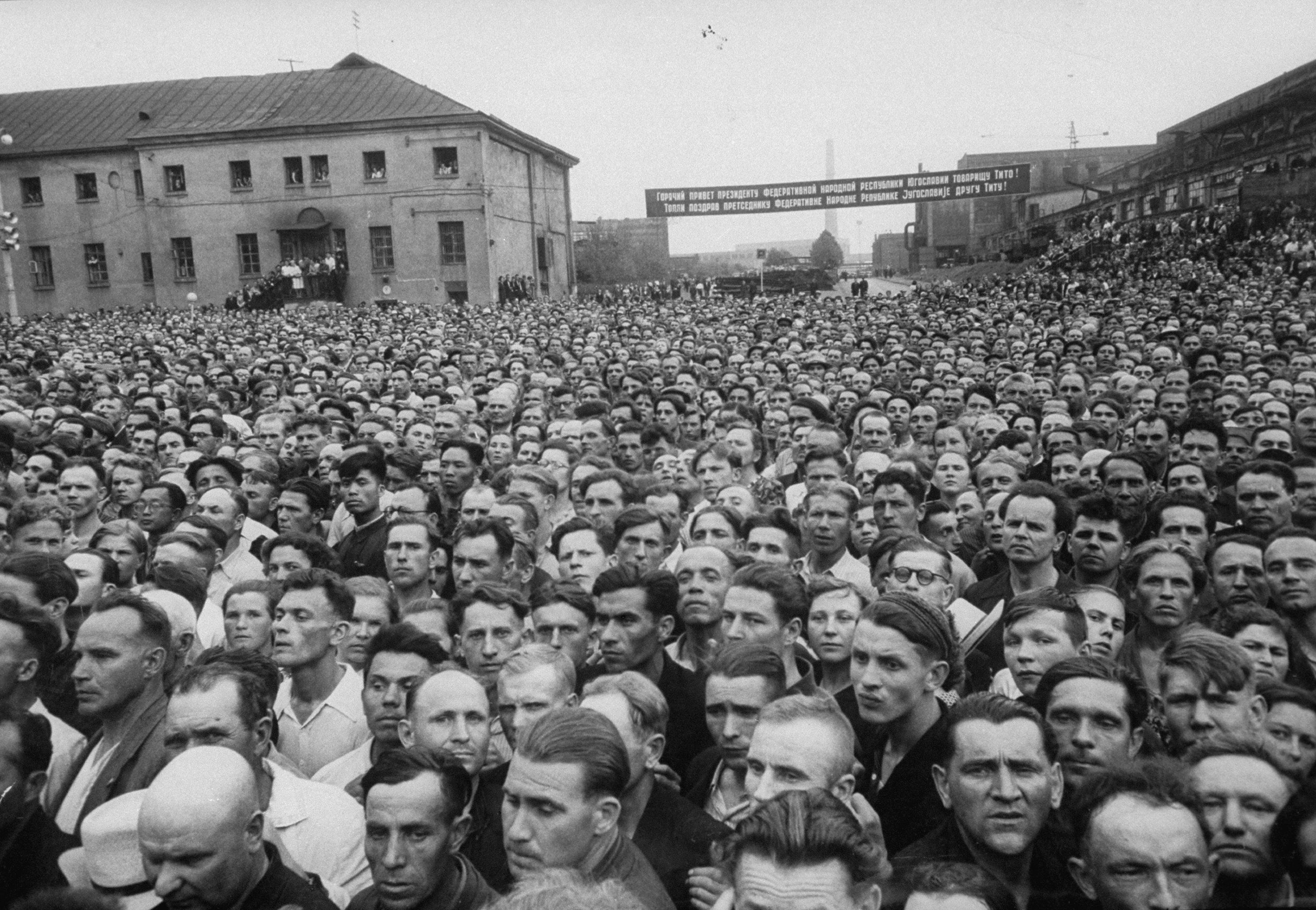
Lisa Larsen, photograph from “Tito As Soviet Hero, How Times Have Changed!” LIFE, June 25, 1956
© The Picture Collection LLC. All rights reserved.
At the height of the Cold War in 1956, LIFE sent Lisa Larsen to document the Kremlin visit of Yugoslavia’s President Josip Broz (known as Tito). She captured the immense crowds, later believed to be present under duress.
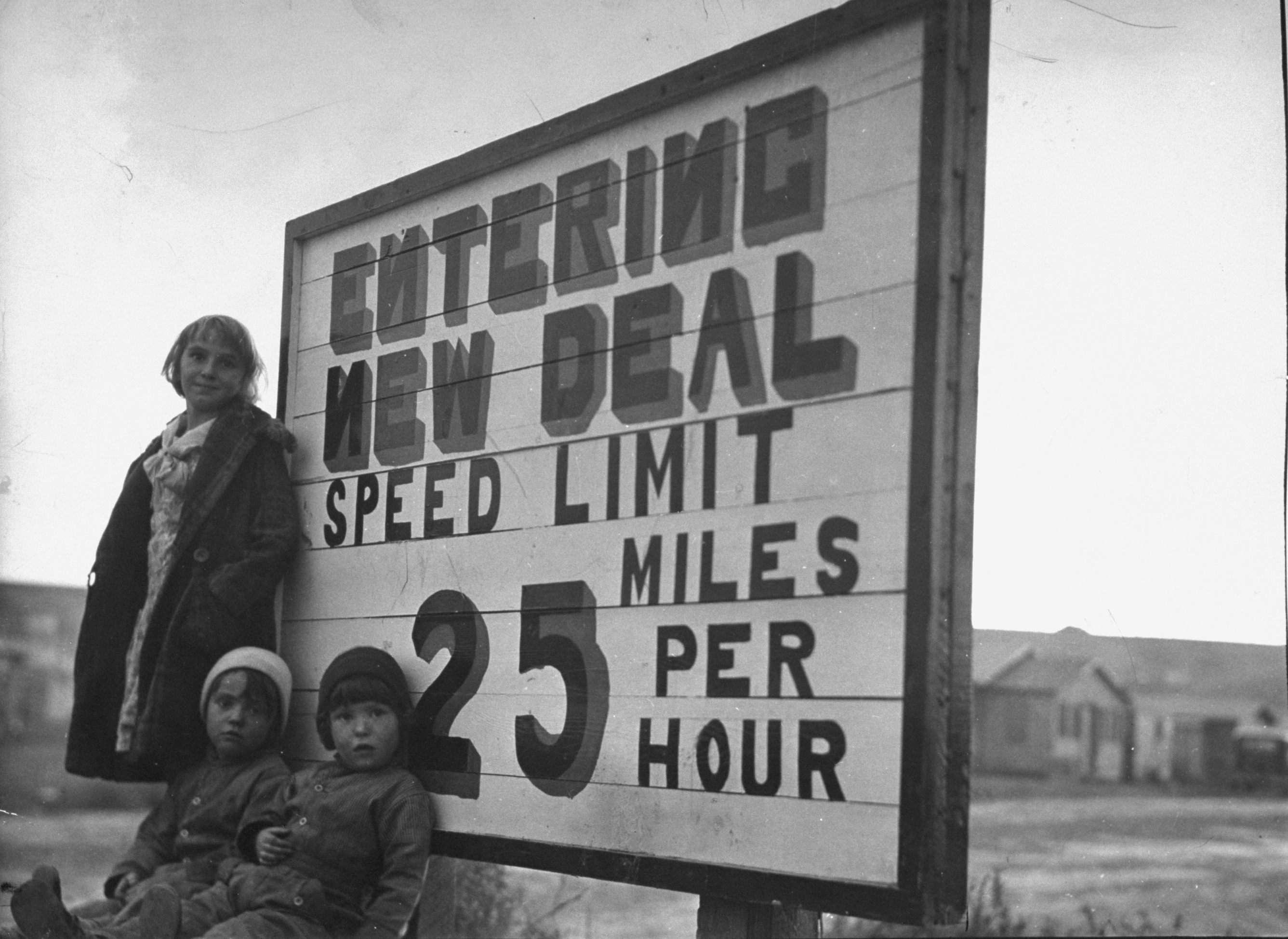
Margaret Bourke-White, photograph from “Franklin Roosevelt’s Wild West,” LIFE, November 23, 1936
© The Picture Collection LLC. All rights reserved.
Margaret Bourke-White became one of the first four staff photographers at LIFE in 1936.
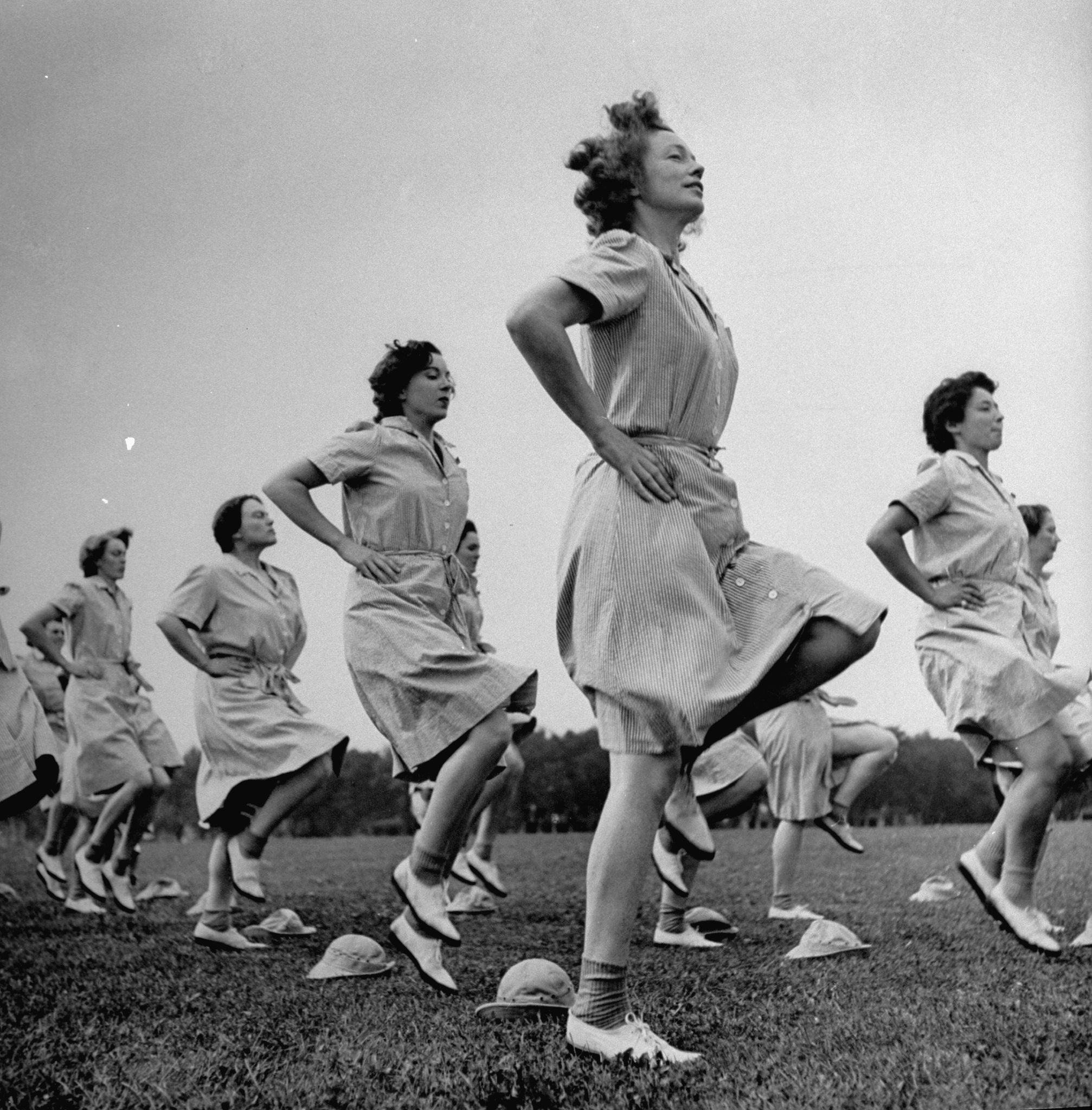
Marie Hansen, photograph from “The WAACs,” LIFE, September 7, 1942
© The Picture Collection LLC. All rights reserved.
Hansen’s story acquainted Americans to women’s participation in the military: over the course of the war, 150,000 women joined up and thousands were deployed.
LIFE: Six Women Photographers is organized by The New York Historical. All photographs in the exhibition are © The Picture Collection LLC. All rights reserved. LIFE is the registered trademark of TI Gotham Inc. Used under license.
LIFE: Six Women Photographers is the Annual Charles D. Edelman & Ilene C. Siegler exhibition. Additional support provided by state funds secured by Assemblyman William Magnarelli. The Everson is supported by the General Operating Support program, a regrant program of the County of Onondaga with the support of County Executive J. Ryan McMahon II, and the Onondaga County Legislature, administered by CNY Arts; and the New York State Council on the Arts with the support of the Office of the Governor and the New York State Legislature.
This exhibition is proudly supported by Northern Trust. Generous support provided by Joyce B. Cowin, with additional support from Sara Lee Schupf, Jerry Speyer, and Robert A.M. Stern.