

We remember Beatrice Wood, who signed her pithy correspondence as “Beato,” for her cutting wit, outrageous stories, lustrous ceramics, and complex relationship with artist Marcel Duchamp, a leader of the Dada movement. Determined to resist the life her wealthy parents envisioned for her, Wood became a defining figure of New York City’s Dada scene, embracing the art movement that reveled in absurdity, nonsense, and humor.
Wood first took drawing courses as a teenager at the Académie Julien in Paris and Duchamp encouraged her to make drawing a priority even as her focus shifted to ceramics. Over the course of her career, Wood’s drawings became increasingly personal and autobiographical, often depicting the events and individuals that populated her life.
Sincerely, Beato features self-portraits, sketches, and illustrations that Wood made primarily in the latter half of her life, after she settled in Ojai, California. They function as a pictorial diary, revealing the inner worries, emotions, and desires of the “Mama of Dada.”
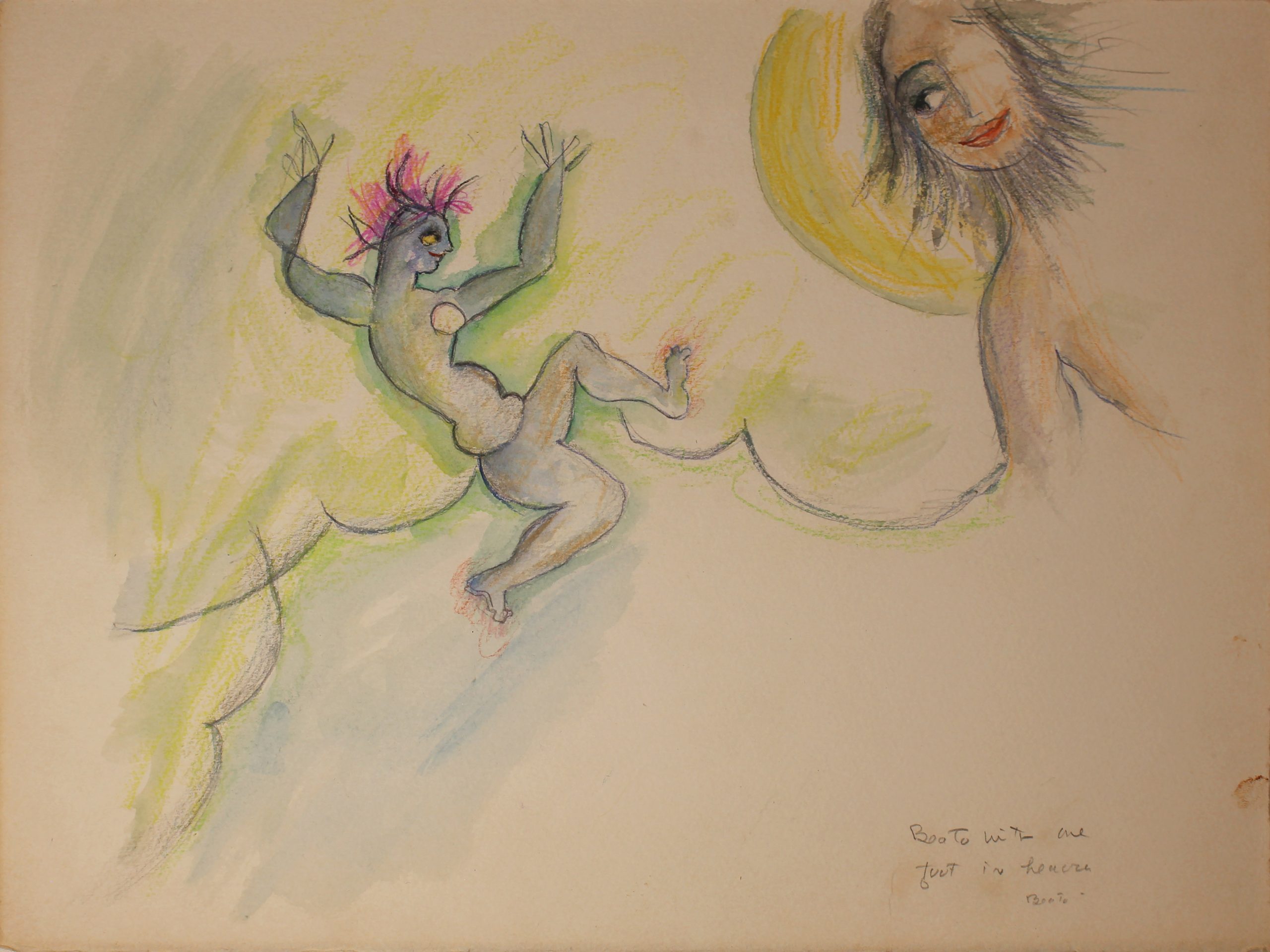
Beatrice Wood
Beato with one foot in Heaven, ca. 1970-90
Pencil colored pencil and watercolor on paper, 11¼ x 15 inches
Everson Museum of Art; Gift of Francis Naumann and Marie T. Keller, Yorktown Heights, NY, 2017.10.94
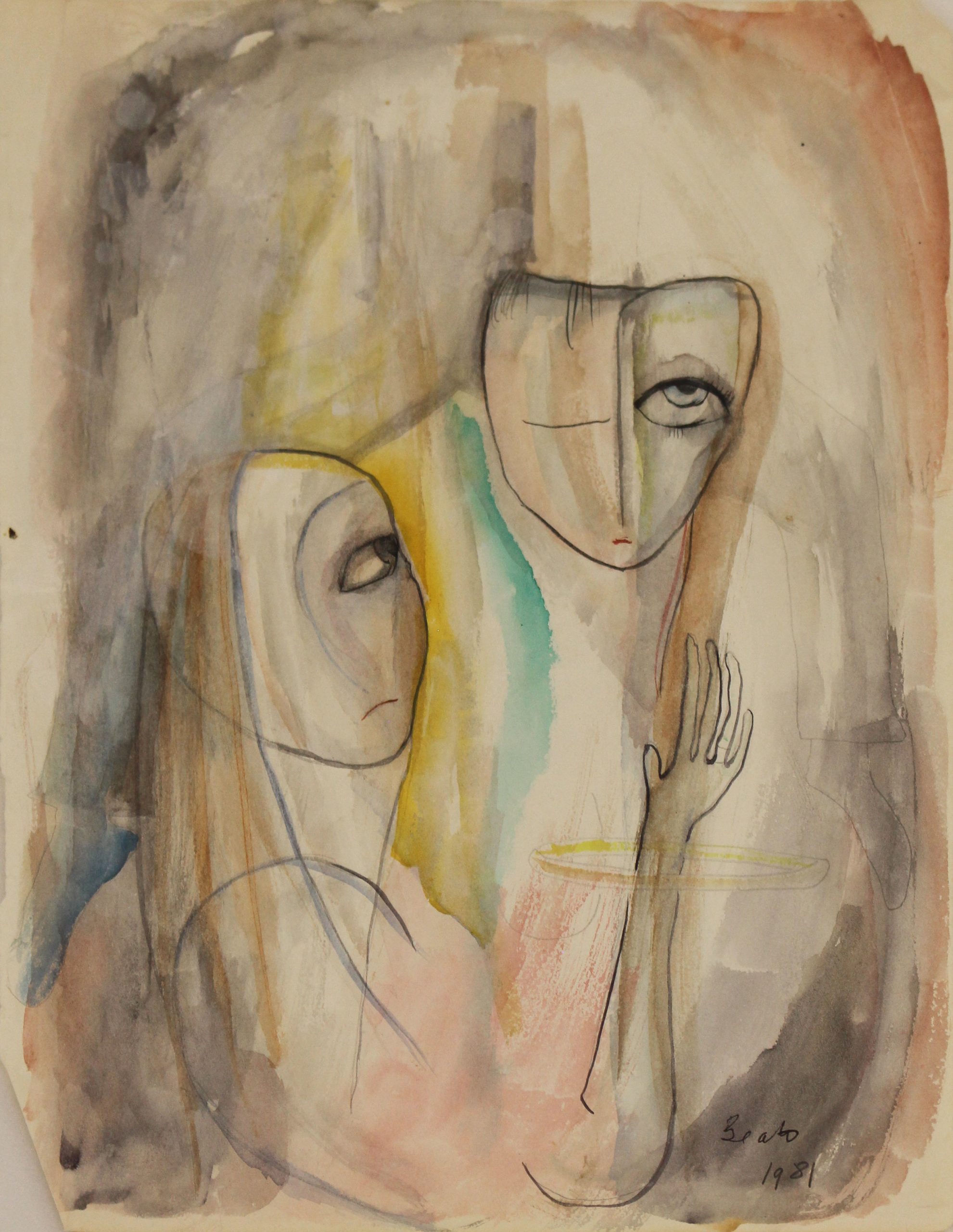
Beatrice Wood
Untitled (Woman reaching for man’s face), 1981
Pencil and watercolor on paper, 10½ x 8⅛ inches
Everson Museum of Art; Gift of Francis Naumann and Marie T. Keller, Yorktown Heights, NY, 2017.10.7
Banner Image:
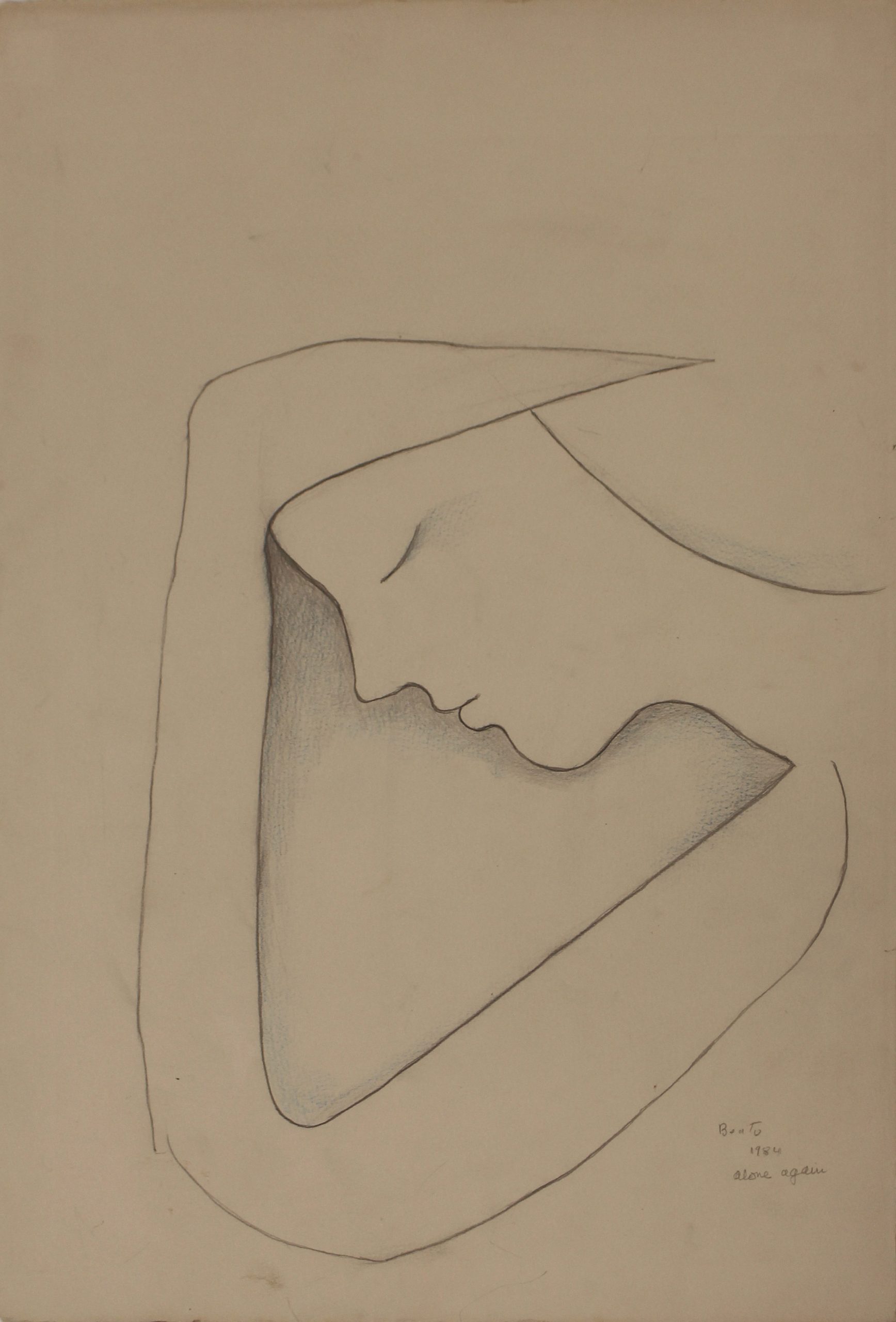
Beatrice Wood
Alone Again, 1984
Colored pencil on paper, 22½ x 15¼ inches
Everson Museum of Art; Gift of Francis Naumann and Marie T. Keller, Yorktown Heights, NY, 2017.10.128
The Everson is supported by the General Operating Support program, a regrant program of the County of Onondaga with the support of County Executive, J. Ryan McMahon II, and the Onondaga County Legislature, administered by CNY Arts; and the New York State Council on the Arts with the support of the Office of the Governor and the New York State Legislature.