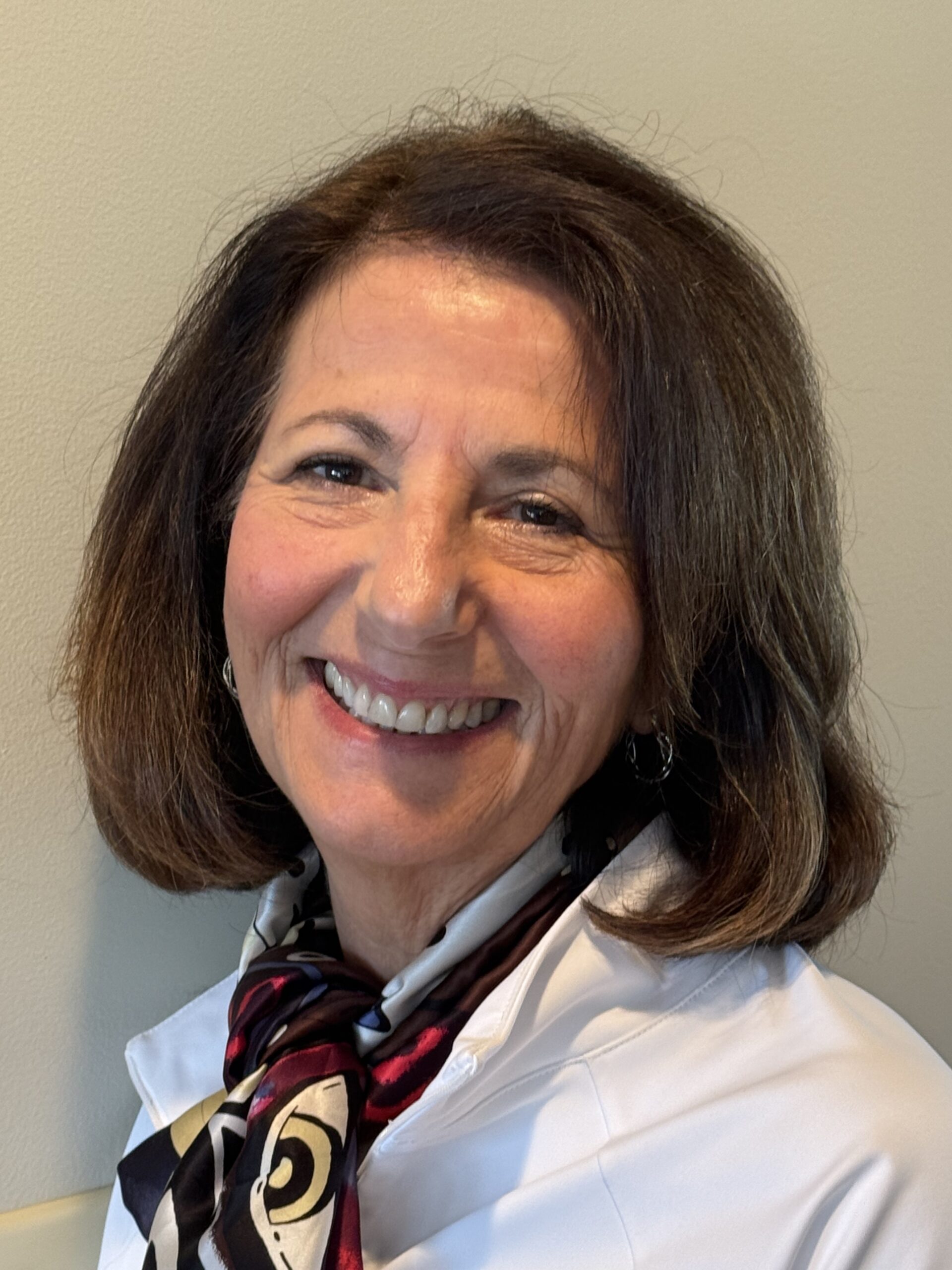


Deborah Walsh (she/her)
Artist Biography:
Deborah Walsh dedicated over 30 years to teaching Art in the Liverpool Central School District. A beloved teacher and mentor to colleagues, students, and future art educators. She helped develop the district’s Visual Art curriculum and was the first Liverpool art teacher to earn National Board Certification. Her work earned numerous honors, including New York State Teaching Center and Individual Artist Grants, Liverpool Summer Professional Development Grants, and a prestigious Japan Fulbright Memorial Fund Teacher Program fellowship. She shared insights through her video series, Kid’s Eye View. Deborah was inducted into the Liverpool Fine Arts Hall of Fame in 2025.
Deborah has been an Artist in Residence where her leadership working with students and staff brought to life several vibrant and permanent ceramic mural installations at local schools. She continues to stay deeply involved in the arts community—serving as a docent, teacher, and member of the Outreach Committee at the Everson Museum, and lending her expertise as a judge for local art shows and the Scholastic Art Awards.
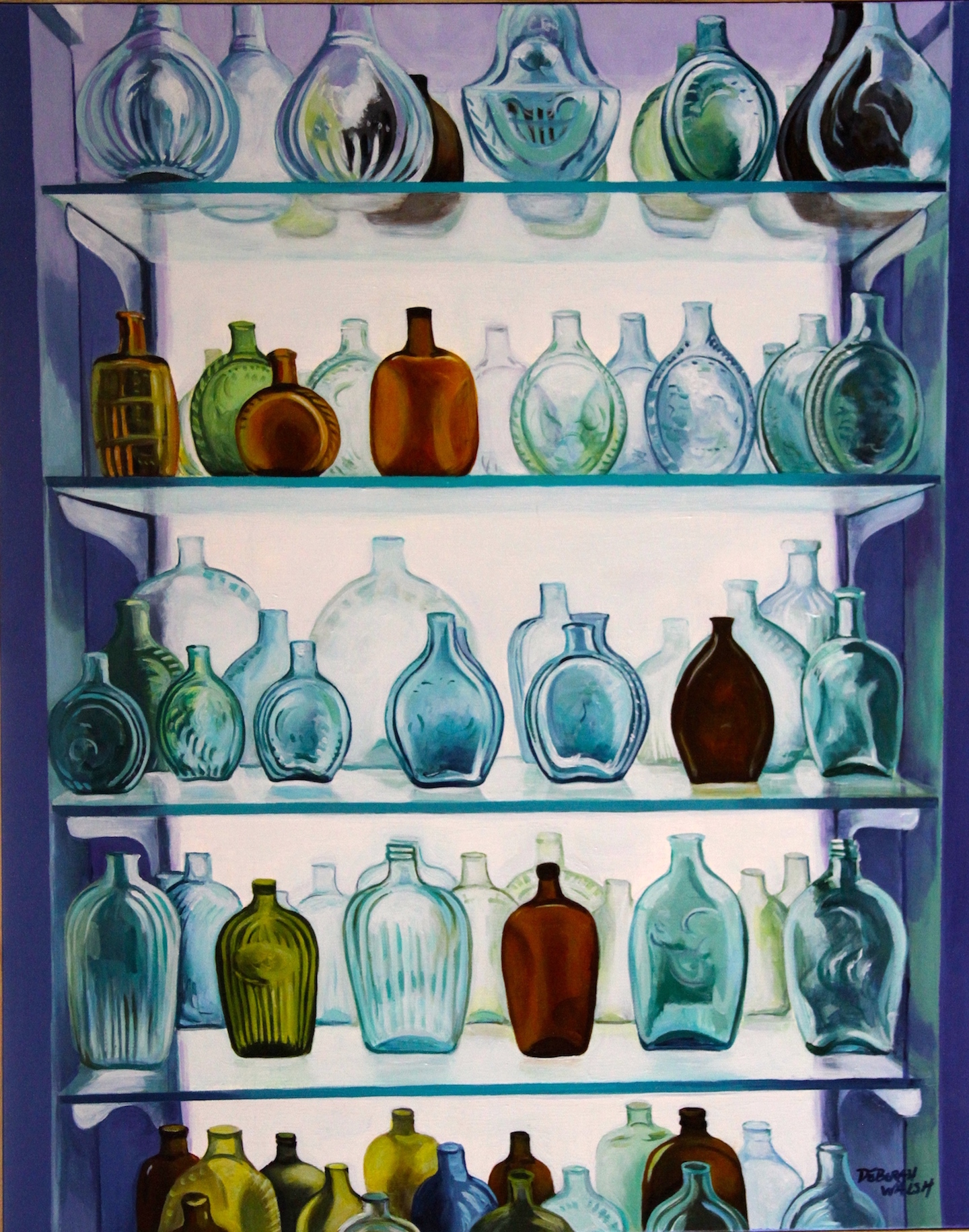
Recurring subjects in her work are still life with reflective and transparent objects, classic cars, and motorcycles. Images from her travels are appearing in her work. Although her preferred medium is acrylic paint she also works in clay, pastel, printmaking, and collage. Walsh’s work has been included in Central New York Regional and National juried shows as well as solo and group exhibitions. Private collectors throughout the United States own and commission her work.
“Art education should nurture creativity, critical thinking, and personal expression. The teacher serves as a facilitator who guides students in developing craftsmanship and confidence while adapting instruction to their individual needs. A supportive, inclusive studio environment encourages students to explore ideas freely, discover their unique talents, and value process over product. Student-centered learning places emphasis on experimentation, reflection, and growth rather than solely on finished outcomes. By teaching both traditional and new media, students gain a wide range of tools for creative expression and communication, helping them develop versatility and confidence in their artistic choices. Integrating art history and appreciation deepens students’ understanding of the cultural and historical contexts of art. Through discussion and critique, they learn to analyze artwork, form independent opinions, and consider multiple perspectives—essential skills for critical thinking. Art projects also foster broader life skills, including problem-solving, perseverance, collaboration, and adaptability. The creative process naturally teaches students to approach challenges with curiosity and to view mistakes as opportunities for learning. Ultimately, the goal of art education is to cultivate lifelong learners who carry a love for the arts beyond the classroom. By nurturing creativity and flexible thinking, students develop habits of mind that support success in any future path. In this way, art education becomes a foundation for personal growth, meaningful engagement, and confident participation in an ever-changing world.”
– Deborah Walsh on her Teaching Philosophy